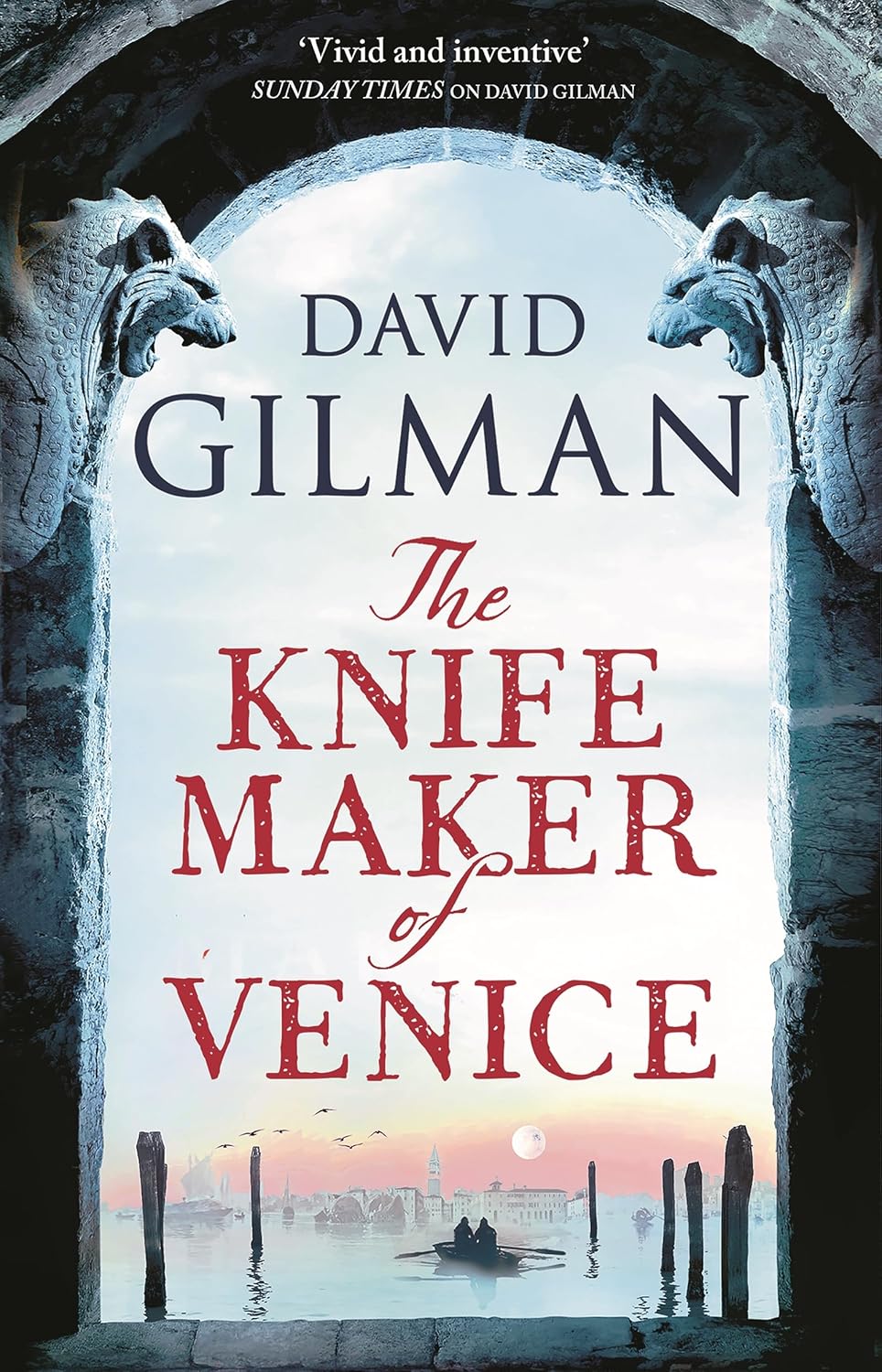
Mister Johnson
As seen:
By Joyce Cary
avg rating
1 review
A temporary clerk, still on probation, Mr Johnson has been in Fada, Nigeria, for six months and is already much in debt. Undaunted, he entertains on the grandest scale, with drums and smuggled gin. Not only that, he intends to pay a small fortune for his wife …First published in 1939, ""Mister Johnson"" marked the end of Joyce Cary’s series of Nigerian-based novels, derived from his own days in the Nigerian Colonial Service (1913-1919). William Boyd has described the novel as, ‘A wonderfully evocative portrait of a bygone colonial life …Mr Johnson, in short, is a great literary creation; he can safely take his place beside any of the enduring characters world literature has presented us with: from Falstaff to Zeno, from Candide to Humbert Humbert.’ So great is his admiration for this novel William Boyd has provided this additional quote for the Faber Finds edition. ‘""Mister Johnson"" is one of the truly great and enduring novels of Africa. Honest, clear-eyed and avoiding all easy sentimentality, it is also full of empathy and displays a deep understanding of our human predicament.’
TweetReviews
I understand that Anglo-Irish novelist, Joyce Cary, had experience of the colonial service and was part of the militaristic Nigeria Regiment during World War I. It is therefore perhaps unremarkable that his literary output often featured Africa as its setting and his familiarity of this era. ‘Mister Johnson’, published in 1939, is very much a product of its time and, in my opinion, has not weathered well in a modern day context. Nevertheless, it is very historically insightful and cleverly exposes the arrogance, hypocrisy and inherent racism of British expansionism, which must never be condoned or forgotten.
The protagonist, Johnson, is an outsider to the remote town of Fada and a bit of a Panglossian figure, who regards his clerical appointment as something to be cherished and admired simply because of its British administration. Obsequious in the extreme, Johnson, bends to the will of his despicable superiors and copies European dress norms and manners. His conduct is frankly comical and simultaneously tragic.
Johnson is by no means unintelligent as is manifested in his cunning. He deviously secures marriage with a native woman, fosters a lavish lifestyle and throws regular parties to impress the locals, all funded by borrowing, embezzlement or false accounting. Despite his heroic efforts, Johnson is never fully accepted by the indigenous population nor by his imperialist masters. Although he views his surroundings with unfailingly rose coloured glasses, in actuality, everything is far from romantic and idealised. District Officer Rudbeck, standing aloft on fawning Johnson’s pedestal, is an indifferent character obsessed with the false notion of progress through the conduit of labour intensive road building and is supported by a ghastly, insular wife. He epitomises the disruptiveness and ultimate cruelty of colonialism. It is fairly inevitable that Johnson is exposed for his transgressions, but the magnanimity with which he embraces his fate is gut-wrenching. I am only giving this book 1 star due to its distasteful subject content, but it is on the whole very well written and represents a meaningful testimony.